 |
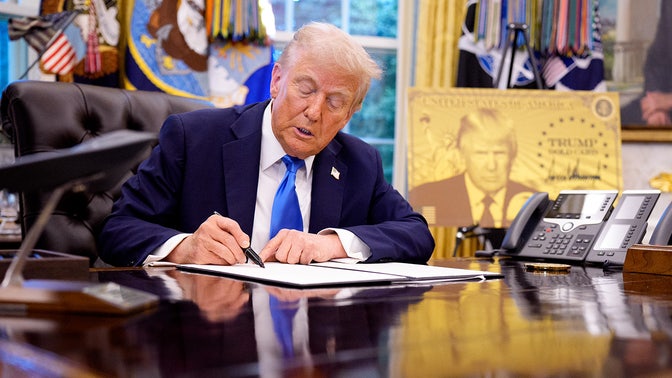
| Andrew Harnik/Getty Images |
New rules target tech industry hiring practices while expanding facial recognition and social media screening for foreign visitors
Numerous immigration policy changes were rolled out in 2025, impacting the way people travel, obtain visas and become citizens in the United States.Here are five of the biggest changes taking effect:
Trump administration launches H-1B visa overhaul
The Trump administration unveiled a proposal in September to change how H-1B visas are awarded, a program that has become a cornerstone of the tech industry by allowing U.S. companies to hire highly skilled workers from abroad, including software engineers and data scientists.
Issued by the Department of Homeland Security, H-1B visas are temporary work permits that have become a vital pathway for U.S. tech companies to recruit global talent.
The proposal was designed to nudge employers toward offering higher salaries or reserving H-1B petitions for jobs that require advanced skills. The rule change, formally published in the Federal Register, came after President Donald Trump signed a proclamation introducing a $100,000 fee for H-1B visa applications.
DHS said the changes will go into effect in February and are meant to "better protect the wages, working conditions, and job opportunities for American workers."The existing random selection process of H-1B registrations was exploited and abused by U.S. employers who were primarily seeking to import foreign workers at lower wages than they would pay American workers," U.S. Citizenship and Immigration Services spokesman Matthew Tragesser said in a statement.
Expanded facial recognition for non-citizens looking to enter and exit the US
The Department of Homeland Security implemented a new rule on Dec. 26, 2025, that expands facial recognition for non-citizens who are entering and leaving the United States.
The DHS said on its website that the rule "amends existing DHS regulations to authorize U.S. Customs and Border Protection, an operational component within DHS, to collect facial biometrics from all noncitizens upon entry and exit at airports, land ports, seaports, and other authorized points of departure."
The rule applies to green card holders and other non-U.S. citizens living legally in the country.
"Although U.S. citizens are not covered by this rule, they may continue to voluntarily participate in the facial biometrics process at entry and exit," the DHS added.
Homeland Security moves toward scrutinizing foreign tourists' social media accounts before entry
The Department of Homeland Security is moving toward scrutinizing the recent social media histories of foreign travelers before allowing them to enter the United States.
In a notice filed in December in the Federal Register, U.S. Customs and Border Protection wrote, "In order to comply with the January 2025 Executive Order 14161 (Protecting the United States From Foreign Terrorists and Other National Security and Public Safety Threats), CBP is adding social media as a mandatory data element for an Electronic System for Travel Authorization (ESTA) application."
"The data element will require ESTA applicants to provide their social media from the last 5 years," it added.
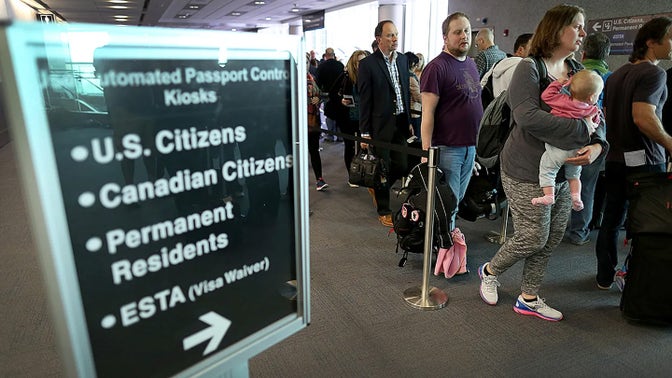
Homeland Security describes ESTA as "an automated system used to determine the eligibility of visitors to travel to the United States under the Visa Waiver Program and whether such travel poses any law enforcement or security risk." --->READ MORE HERE



No comments:
Post a Comment