 |
| Md Duran/unsplash |
With widespread AI use, what distinguishes top graduates from their lower-ranked classmates is often just their greater willingness to cheat and lie about their work.
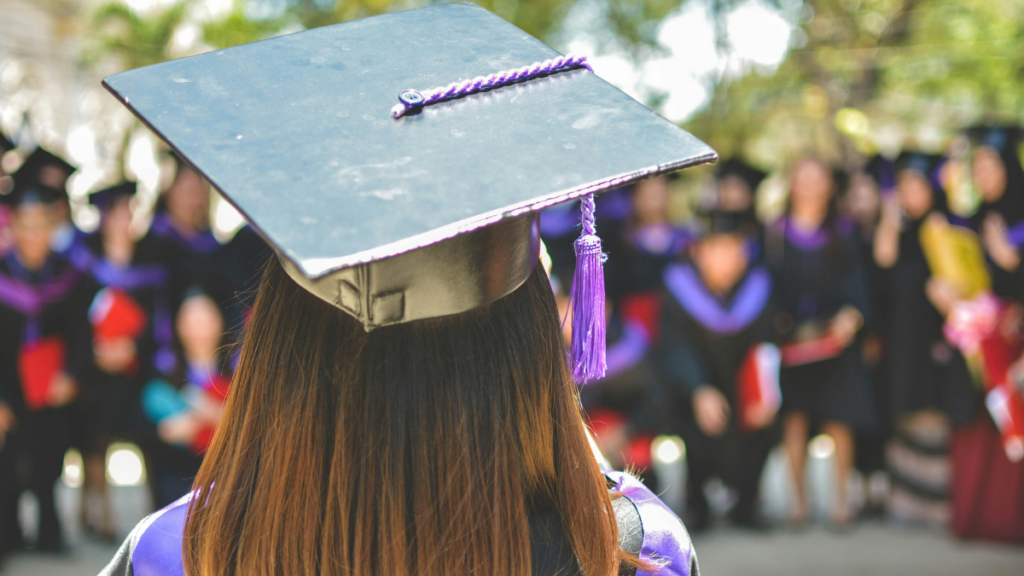
t’s graduation season. At ceremonies across the country, valedictorians, salutatorians, student council presidents, and school administrators are giving speeches to commend millions of high school graduates on their good work, encourage them to savor this moment of achievement, and go forth in a spirit of gratitude and pride.
Typically, these speeches rarely stray from pre-approved messages stressing inclusion, positivity, and general affirmations. After going through the gauntlet of censors, what mostly comes out is nearly always some mix of platitudes about seizing opportunities, enjoying the journey, and persevering through adversity. Nevertheless, in past years, the speeches still expressed the students’ own voice on some level — and I would know since I was usually the one teaching them how to write.
Sadly, we can now have little confidence that we are hearing the student’s voice rather than the hollow, generic drone of ChatGPT. There have been a few prominent examples of speakers beginning with AI-composed speeches and then reverting to their own poignant comments, but now even superintendents reportedly deliver interchangeable AI slop that means absolutely nothing.
Of course, most people might excuse this development, seeing that these speeches were mostly pointless formalities anyway. But what if empty canned speeches written by a machine really do reflect the mind (or mindlessness) of the person giving the speech? What if the use of AI for making speeches and for other tasks reveals that many of today’s top students are really dishonest frauds?
While cheating has always existed, particularly among elite students jockeying for rank, this problem has exploded in recent years, not only with the rise of AI, but with the increasing popularity of inferior educational programs that effectively facilitate academic dishonesty. Whereas unscrupulous students in the past cheated on various assessments, they usually had enough intelligence to avoid detection and feign mastery. Today’s cheaters lack even this much initiative. They now simply ask AI to complete the assignment and submit their work — it obviously helps that many schools have gone paperless after the Covid shutdowns.
It is now possible for otherwise mediocre students to make their way through advanced courses, cheating the whole time. Worse still, they can continue this way in their college courses, where their professors may take even less action against academic dishonesty than teachers at K-12 schools. Sure, some professors might take to the pages of The Atlantic and complain about their elite students who never read a whole book in their lives, but many will never seriously challenge these students, much less fail them.
Not so long ago, such chronic cheaters were unmasked when they took their SAT or AP exams, but this has changed. The SATs are continually altered to accommodate ever weaker testers, hiding how much decline in learning has set in. Moreover, students can learn to game the test and earn a respectable score by taking a 6-week course at a test prep center down the street. --->READ MORE HERE
If you like what you see, please "Like" and/or Follow us on FACEBOOK here, GETTR here, and TWITTER here.

No comments:
Post a Comment