 |
| Nick Shirley/YOUTUBE |
The actual text of the bill is about allowing people to submit a half a ton of paperwork to a state program so the state can tell people not to be mean to you.
A bunch of news organizations are sounding the alarm about a California bill that critics are calling the “Stop Nick Shirley Act,” saying that it “criminalizes investigative journalism.” They can save their breath, because the author is stupid, the bill is stupid, and none of it is ever going to mean anything.
The critics are right about intent, and the petulant Democrat who introduced the bill – Mia Bonta, the wife of appalling California Attorney General Rob Bonta – hopes to make it seem harder for conservative journalists to talk about illegal immigration and the abuse of the welfare state. The legislative intent is to snivel about mean right-wingers and make them shut up. But as a potential future law, it’s just not going to work.
California does this, exactly this, more often than you realize. Parents criticized school boards during the pandemic, so the dimwitted state legislature passed a bill to criminalize the criticism of school boards. Watering it down to try to wedge it past the First Amendment, the author added a bunch of narrow conditions to the things that would qualify as criminal school board criticism: It’s illegal to criticize a school board if you do this and this and this. The bill in its final form said that it would be a crime to violently threaten or aggressively and personally harass school officials. It banned violence.
You can already see where this is going, but here it is: Governor Gavin Newsom vetoed the thing, quite reasonably pointing out that it made a bunch of crimes illegal: “Credible threats of violence and acts of harassment – whether directed against school officials, elected officials, or members of the general public – can already be prosecuted as crimes. As such, creating a new crime is unnecessary.” The legislature, enraged that the peasantry would dare to criticize their superiors in government, banned some banned behaviors. It’s not rational lawmaking – it’s a tantrum.
See also SB 1100, introduced by state Sen. Dave Cortese in 2022 after the audience at a city council meeting in Silicon Valley yelled at a thin-skinned mayor. (Sample news headline: “State lawmakers demand action following attacks on Los Gatos mayor.” The “attacks” were that people openly criticized her during a public meeting.) This one was signed into law, and allows local legislative bodies like a city council or a school board to eject citizens from a public meeting if the presiding officer feels that the citizens are being disruptive.
But almost no one has actually tried to use this dumb law, and here’s what happened to a school board that tried to exclude critics from a public meeting in the post-SB 1100 political environment: “Temecula Residents Sue School Board and its President for First Amendment and Brown Act Violations.” (The Brown Act is the state’s public meeting law for local government.) --->READ MORE HERE

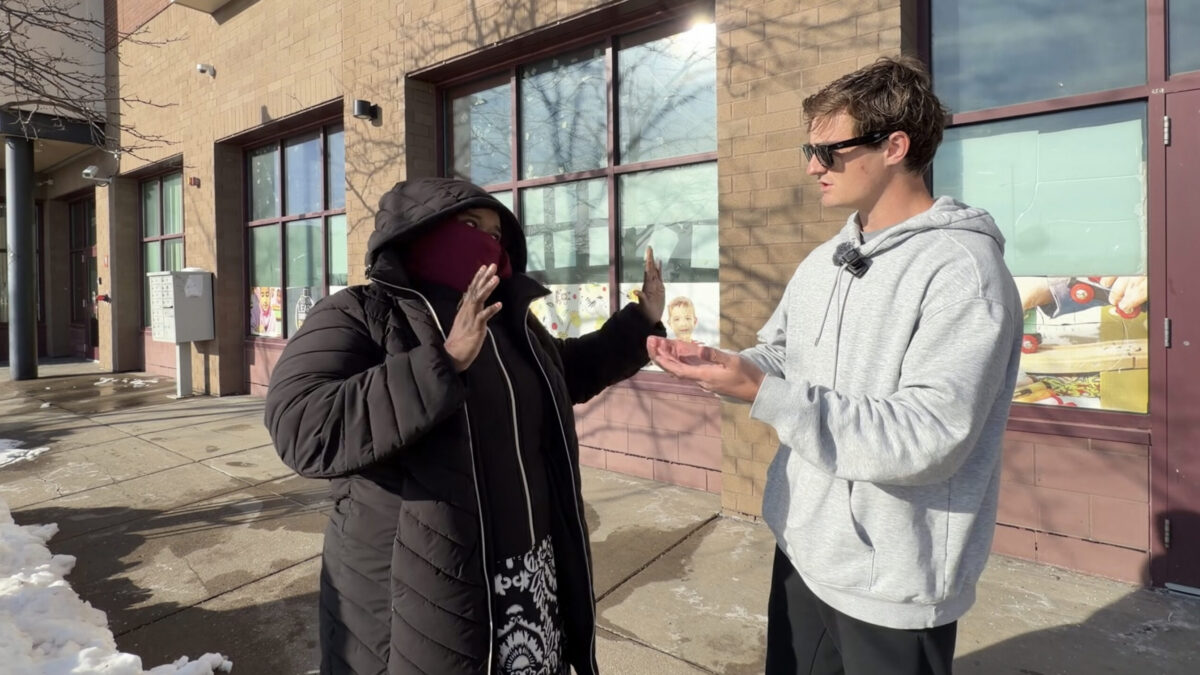
Conservative influencer and YouTuber Nick Shirley called out a proposed California bill on Monday that he argued would “criminalize investigative journalism,” including his viral efforts to expose fraud in the state.
“The enemy truly is within,” Shirley said. “When our politicians would rather protect fraudsters and illegal migrants, it’s time for us to stand up or face mass oppression from the traitors who ‘rule’ over us,” he said.
The legislation, which one Republican lawmaker dubbed the “Stop Nick Shirley Act,” is aimed at boosting privacy for immigrant services providers. Authored by Assemblymember Mia Bonta (D), the measure would outlaw sharing the photo or personal data of a provider on the internet for harassment or violent purposes.
It would mirror a similar program for domestic violence survivors.
“Individuals who provide immigrant support services including legal aid, humanitarian relief, case management, and advocacy are facing targeted harassment. This is not hypothetical,” Bonta said at a April 7 hearing.
Such protections against incidents of doxing and death threats are especially needed under the Trump administration, she added.
“These threats have risen sharply in 2025 and are expected to continue due to the current political climate,” Bonta said.
Under the bill, a provider could bring a claim in court seeking up to at least $4,000 in damages from those who violated the proposed law.
There would also be criminal penalties. Violators would face up to a $10,000 fine or up to one year in county jail. If sharing the information results in bodily harm, the penalties would escalate to up to a $50,000 fine and felony imprisonment. --->READ MORE HERE
If you like what you see, please "Like" and/or Follow us on FACEBOOK here, GETTR here, and TWITTER here.

No comments:
Post a Comment